Water is rising at your front door, storm surge is backing up the street drains, and wind-driven rain keeps finding a new way in. When it is hurricane-scale flooding in Pearland, Seco Restoration answers in about an hour once it is safe, IICRC-standard, and local.

Once conditions are safe, the crew assesses structural and electrical hazards before entering, since floodwater from a hurricane can hide damage to wiring, gas lines, and foundations.
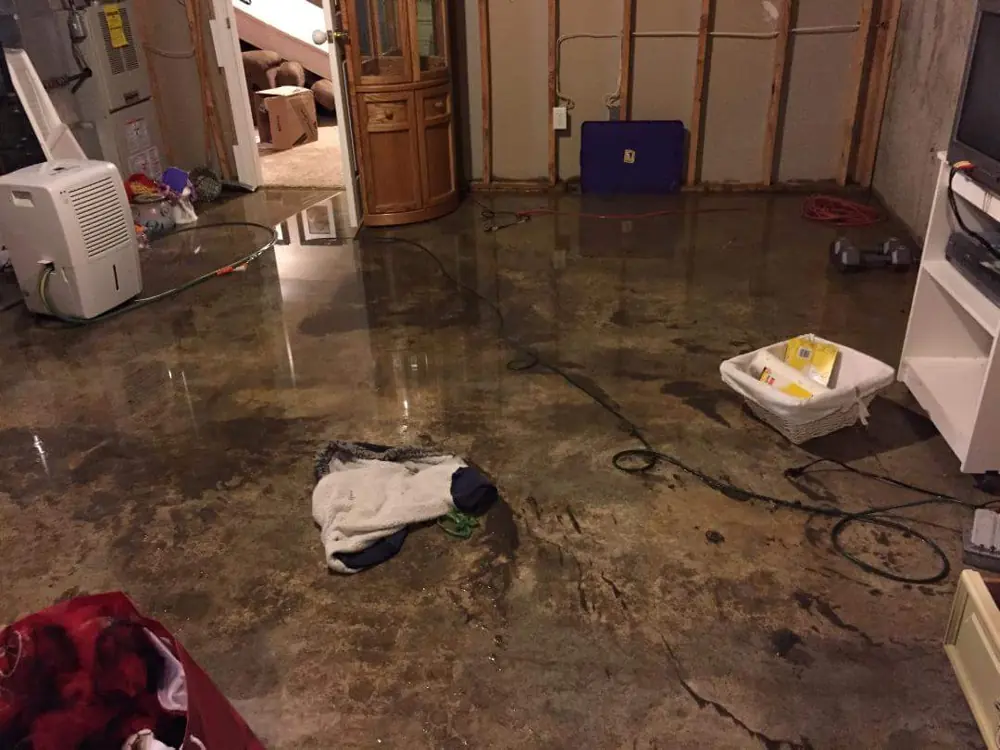
Multiple truck-mounted extraction units remove standing water throughout the affected floor, working room by room across a home that may have sat flooded for days.
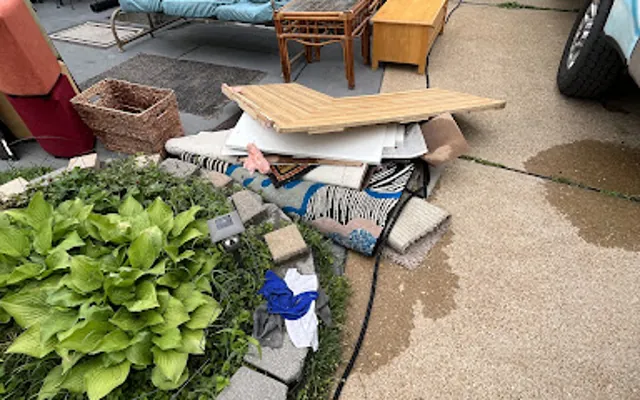
Drywall, insulation, flooring, and other porous materials are removed to the height the water reached, since hurricane floodwater carries street runoff and debris that require full removal.
Every affected surface is cleaned and disinfected, dried completely, and documented in detail, then rebuilt with new drywall, insulation, and flooring once conditions confirm the home is safe.

While help is on the way, these first steps, done only where it is safe, limit the damage and protect the insurance claim.
Shut the supply off at the source, or close the home's main valve if the source is not obvious. Stopping the flow limits the damage more than anything else.
Switch off electricity to the affected area, but only if the breaker can be reached without standing in or touching the water.
Get a crew dispatched right away. The sooner extraction and drying begin, the more flooring, drywall, and belongings can be saved.
Take photos and a short video of the water and the affected rooms before anything is moved, so the insurance claim starts strong.
Hurricane flood damage cleanup in the Pearland area often runs from about $10,000 for a partial ground floor to $40,000 or more for a whole-house flood with days of standing water and full drywall and flooring removal. Cost depends heavily on flood depth, duration, and contamination level. Standard homeowner policies typically do not cover named-storm flooding, so separate flood insurance, often through the National Flood Insurance Program, is usually required for coverage.
Crews reach Pearland and Greater Houston fast, from the historic Old Townsite and Brookside Village to Friendswood, Manvel, and nearby Pasadena and Alvin. See the full list on the areas served across Pearland page.
See all areas servedEvery loss is photographed, measured, and logged from the first visit, so the paperwork holds up with your insurance carrier.
Technicians follow recognized IICRC drying standards and prove the work with daily moisture readings, not guesswork.
Emergency dispatch any hour of the day or night, with a real crew on the way, not a callback in the morning.
A real crew dispatched any hour, not a callback in the morning.
Trained technicians following recognized IICRC drying standards.
Truck-mounted, portable, and submersible for any size loss.
The loss is documented and billed to the carrier directly.
Usually not. Standard homeowner policies typically exclude flooding from named storms and rising water, which is different from wind damage or a burst pipe. Coverage for hurricane flood damage generally requires a separate flood insurance policy, often through the National Flood Insurance Program, purchased before the storm.
A hurricane-scale flood usually means water sat inside the home for days rather than hours, often across the entire ground floor rather than one room, and it can carry street runoff, sewage, and debris that make every surface a contamination concern. That scale of damage calls for more equipment and more material removal than a typical storm leak.
Do not enter until local officials confirm it is safe, since floodwater can hide structural, electrical, and gas hazards. Once you are cleared to return, photograph the flood line and any damage before moving anything, and call for extraction and drying as soon as possible to limit further mold growth in Pearland's humid climate.
Extended outages can knock out sump pumps and any electric drainage systems right when they are needed most, letting water that would normally be pumped out simply collect and sit. The longer power stays off during and after the storm, the more water can accumulate inside a home.
A whole-house hurricane flood typically takes several weeks from initial extraction through full drywall, insulation, and flooring rebuild, compared to days for a smaller, single-room water loss. The exact timeline depends on how long water sat, how many rooms it reached, and how quickly materials can be sourced after a major regional storm.
Pearland crews are on call 24 hours a day, local and fast, and can be on the way within the hour.
Call (832) 979-6332